
Dubai is one of the easiest places in the world to reach people online, and one of the hardest places to get them to reply.
Almost everyone here is connected. DataReportal's Digital 2026 report for the UAE puts internet use at 99 percent, about 11.3 million people. It also counts 12.5 million social media identities, which is more than the 11.4 million people who actually live here, because so many residents run more than one account. So reach is not the problem. Attention is.
I handle the marketing for Wayzfinder, a mortgage broker in Dubai, and I do it on my own: the website, SEO, Google and Meta Ads, the content, the lead follow-up and the reporting. (If you are curious, the Wayzfinder website case study shows how that site is built.) This post is what I wish someone had told me before I spent my first dirham on ads here. A few of these lessons I learned the expensive way.
1. There is no single "Dubai customer"
Roughly nine in ten people living in the UAE are expatriates. That one fact changes how you should think about targeting. A "Dubai audience" is really dozens of audiences sharing one city: families who just arrived and are still renting, professionals who have been here ten years and are ready to buy, investors who don't live here at all, and Emiratis who expect to be spoken to in Arabic.
When I write an ad, I try to picture one of these people, not a demographic. A new arrival worries about whether they even qualify. A long-term resident wants to know if they are paying too much. Same product, completely different message.
Language is part of this. English works for most campaigns, but Arabic matters for Emirati customers and for trust in general. A short video in Hindi, Malayalam or Tagalog can reach a community that scrolls straight past another polished English ad. Just have a native speaker check it. A clumsy translation does more damage than no translation at all.
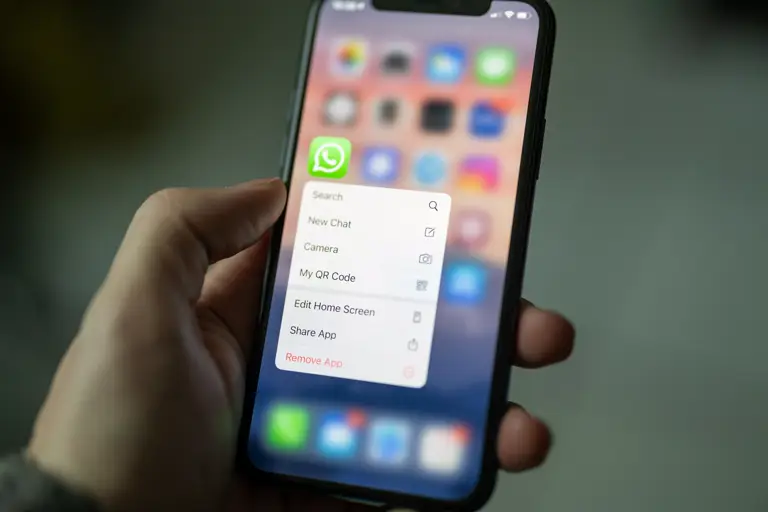
2. WhatsApp is where people actually decide
Ask anyone who sells in Dubai and you will hear the same thing: people would much rather send a message than fill in a long form or pick up a call from a number they don't know. In my work, a big share of the real conversations start on WhatsApp.
So treat WhatsApp as part of the funnel, not as a contact detail hidden in the footer:
- Put a WhatsApp button on every page, with a short pre-filled message so the customer doesn't have to think about what to type.
- Make every website enquiry alert the team straight away. On the Wayzfinder site, each new lead goes to the team by email and WhatsApp the moment it arrives.
- Track WhatsApp clicks as a conversion in GA4, so you can see which pages and campaigns start conversations.
Speed matters more than polish here. A lead who waits until tomorrow has usually spoken to two of your competitors by then.
I later wrote a full, step-by-step version of this: how to set up WhatsApp Business so chats turn into customers, from greeting messages and labels to tracked links and broadcasts.
3. Read your Google Ads search terms every week
Google Ads in Dubai is not cheap, especially in crowded categories like finance, property and legal services. That makes every wasted click hurt more.
My most useful habit is a boring one. Every week I open the search terms report and read it line by line. When I did this for our mortgage campaigns, I found a large share of the clicks were coming from people searching for personal loans, not home loans. Google saw the word "loan" and decided that was close enough. It wasn't.
The fixes are simple, if a bit tedious:
- Keep adding negative keywords for the searches you never want to pay for.
- Say exactly what you offer in the ad. "Home loan" and "mortgage" in plain words filter out the wrong people before they click.
- Qualify on the form. Our enquiry form asks for monthly income, and anyone below the bank minimum is flagged automatically, so the team spends its time on people it can actually help.
Broad match and automated bidding can work well, but only once Google has enough good conversion data to learn from. Feed it junk leads and it will very happily find you more junk.
4. Cheap Meta leads are usually expensive
Meta's Instant Forms are tempting. The form opens right inside Facebook or Instagram, it fills in the person's name and number for them, and your cost per lead looks fantastic.
In my experience, that is exactly the problem. When sending a form takes two taps, plenty of people send it without really meaning to, or without remembering that they did. You call them the next day and they have no idea who you are.
What has worked better for me:
- Send people to a landing page on your own website. If you stay with Instant Forms, switch the form type to "Higher intent", which adds a review step before the form is sent.
- Ask one or two qualifying questions. You will get fewer leads, and better ones.
- Write the ad for one specific person. Generic copy attracts generic clicks.
- Exclude people who already converted, and refresh your creative before your audience gets tired of seeing the same post.
5. Plan around Ramadan, summer and the school year
Dubai's marketing calendar doesn't follow the one in most marketing textbooks.
Ramadan is the big one. In 2026 it began on 18 February, and astronomers expect Ramadan 2027 to start around 8 February, subject to the moon sighting. Daily routines change during the month, working hours are shorter, and a lot of browsing moves to the evening, after iftar. Tone matters too. This is a time for respectful, generous messages, not pushy offers. Plan your content a few weeks ahead, and leave room for Eid.
Summer is the other one. July and August are slow for many businesses because so many families travel. September brings people back with fresh plans, and towards the end of the year the city fills up again with events and visitors, with the Dubai Shopping Festival season running around December and January.
None of this means you switch everything off in the quiet months. It means you adjust budgets and expectations ahead of time, instead of being surprised every year.
6. Know the rules before you post
Dubai rewards people who move fast, but some rules you really don't want to learn about from a fine.
The Advertiser Permit
The UAE Media Council's Advertiser Permit became mandatory on 1 February 2026. It covers anyone creating advertising content from inside the UAE, whether they live here or are visiting, and whether they are paid or not. For citizens and residents it is free for the first three years.
If you only promote your own products or services from your own personal account, you are exempt. The moment you promote someone else's brand, you need the permit. Gulf News reported that operating without one means a Dh10,000 fine for a first offence and Dh40,000 for a repeat. And if you hire influencers, check that they hold a valid permit. Businesses are expected to do that check too.
Telemarketing
Rules introduced in 2024 ban marketing calls from personal mobile numbers and require companies to respect the national Do Not Call Register, with heavy fines for breaking them. If your sales team still cold calls from their own phones, fix that first.
Consent
Get clear permission before you add someone to an email or WhatsApp marketing list, and give them an easy way out. The UAE's data protection law expects a proper legal basis, usually consent, for using people's personal data. It also keeps your lists clean.
I am a marketer, not a lawyer, so treat this as a starting point and check the Media Council's own guidance before you launch anything.
7. Local SEO does the quiet work
Paid ads stop the day you stop paying. SEO is slower, but it is the channel that keeps working when the budget is tight.
For a Dubai business, three things do most of the work:
- A complete Google Business Profile. The right category, correct opening hours, photos of the real place and the real team, and a steady flow of genuine reviews that you actually reply to.
- Pages that answer local questions. People search with Dubai in mind: area names like Business Bay or JLT, rules for expats, prices in dirhams. Write the page that answers the question better than anyone else, then link to it from your other pages.
- A fast website that works on a phone. Most of your visitors are on mobile, often standing somewhere, half paying attention. If the page takes five seconds to load, they are gone. My free website audit checks your speed, Google basics and WhatsApp button in about ten seconds.
That is why I spend time writing guides that explain local rules in plain language, like how much salary you need to get a mortgage in the UAE. They are slow to build, but every good one keeps bringing in the right kind of visitor.
8. Use AI for speed, not for your voice
I describe myself as an AI-integrated marketer, so here is what that means on a normal day.
I use AI for research, first drafts, ad variations, making sense of data and the dull parts of reporting. It transcribes and translates the voice notes leads send us in Malayalam or English, so nobody has to replay a three-minute message just to find a phone number. It helps me build small automations that move a lead from the website to the team in seconds.
What I don't do is publish what it writes without rewriting it. AI copy has a certain sound, and people in Dubai see a lot of it. If your post could have been written about any city in the world, it won't work in this one. The local detail, the opinion, the real example: that part has to come from you.
The rule I follow is simple. AI can make the first version, but a person makes the final call.
9. Measure enquiries, not clicks
The number that matters is not clicks, impressions or even cost per lead. It is how many enquiries turn into real conversations, and how many of those become customers.
- Set up conversion tracking that fires only on a real, valid form submission, not on a page view.
- Count WhatsApp clicks and phone taps as conversions too. Using a different pre-filled WhatsApp message for each channel tells you where every chat came from.
- Every week or two, sit down with whoever handles the leads and go through them together. Which ones were real? Which campaign did they come from?
The first time I did this properly, it changed how I saw everything. Campaigns that looked fine in the ad dashboard were sending us mostly people we could not help. You only find that out by talking to the people who answer the phone.
If I were starting from zero tomorrow
If you run a small business in Dubai and you're not sure where to begin, this is the order I would do things in:
- Fix the basics: a fast mobile website, a WhatsApp button and a complete Google Business Profile.
- Pick one audience and one offer, and write everything for that person.
- Set up tracking before you spend anything on ads.
- Start Google Ads small, on high-intent searches, and read the search terms every week.
- Test Meta with a landing page or a higher-intent form, not the cheapest option.
- Publish one genuinely useful local article a month.
- Review lead quality with whoever handles the leads, and move your budget to what actually works.
None of this is glamorous. But it is what separates the businesses that get steady enquiries from the ones that keep "trying Instagram" every few months and giving up.